
The Advertising Standards Authority (ASA) has recently taken action against several LED mask companies after finding their adverts in breach of UK advertising rules. The issue? Claims that these devices could treat medical skin conditions such as acne and rosacea.
This decision highlights the growing scrutiny around skincare technology marketing — and the importance of understanding exactly what you can and can’t say when promoting cosmetic devices.
What Happened
Four different LED mask brands were found to have broken the CAP Code, the UK’s advertising rulebook.
Their promotions suggested their masks could heal, treat, or reduce acne and rosacea — both of which are recognised as medical conditions in the UK. Because of this classification, only registered medical devices or licensed medicines can legally make such claims.
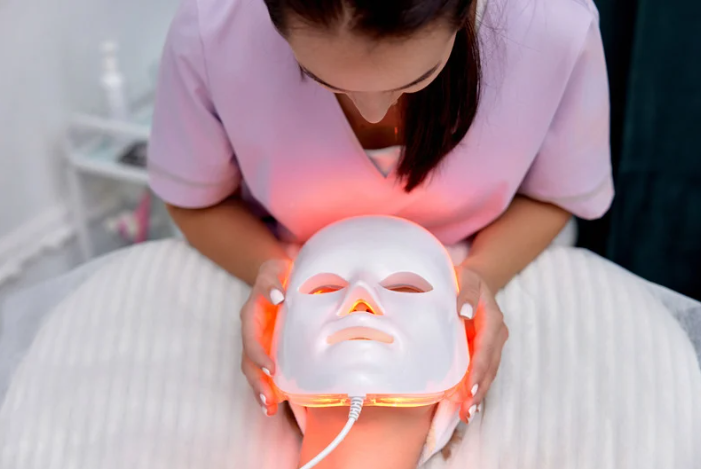
The Advertising Standards Authority (ASA) has recently taken action against several LED mask companies after finding their adverts in breach of UK advertising rules. The issue? Claims that these devices could treat medical skin conditions such as acne and rosacea.
This decision highlights the growing scrutiny around skincare technology marketing — and the importance of understanding exactly what you can and can’t say when promoting cosmetic devices.
Why This Ruling Is Important
Under UK law, medical treatment claims are reserved for products approved by the MHRA (Medicines and Healthcare products Regulatory Agency).
That means if a device isn’t registered as a medical device, it cannot be marketed as treating or curing any medical condition.
Even customer testimonials can cause problems if they imply a medical benefit. So, a post saying “this mask cleared my acne” could technically breach advertising regulations.
The line between cosmetic and medical can be thin — but it’s one every skincare brand must be careful not to cross.
Phrases to Avoid
Certain terms are off-limits when describing non-medical skincare devices. Avoid any wording that implies the product treats or cures specific conditions, such as:
• ❌ Treats acne
• ❌ Heals rosacea
• ❌ Kills acne-causing bacteria
• ❌ Clears medical redness
These types of phrases turn a cosmetic product into a medical claim, which is not allowed unless the product is MHRA-approved.
Phrases You Can Safely Use
There are still many ways to promote LED devices in a positive, compliant way. Focus on cosmetic improvements and general skin wellness instead:
• ✅ Enhances skin radiance or tone
• ✅ Visibly improves the look of blemished skin
• ✅ Helps calm and soothe the skin
• ✅ Promotes a brighter, healthy-looking complexion
When in doubt, remember: your language should highlight cosmetic benefits, not promise medical outcomes.
What’s Changing Next
The ASA has announced it’s now using AI-powered monitoring to help identify misleading skincare and LED device adverts online.
As a result, expect more oversight across social media platforms and a tighter focus on how skincare technology is being promoted.
If you’re marketing beauty tech, this is the perfect moment to audit your content, make sure your claims are compliant, and keep your messaging focused on beauty and wellbeing — not medicine.
Final Takeaway
This ASA ruling serves as a strong reminder that transparency and compliance matter. The aesthetics industry is evolving fast, and as advanced skincare tools become more popular, so does the responsibility to market them ethically.
By staying within the guidelines and focusing on cosmetic results, brands can build credibility, maintain trust, and stay on the right side of regulation.

