
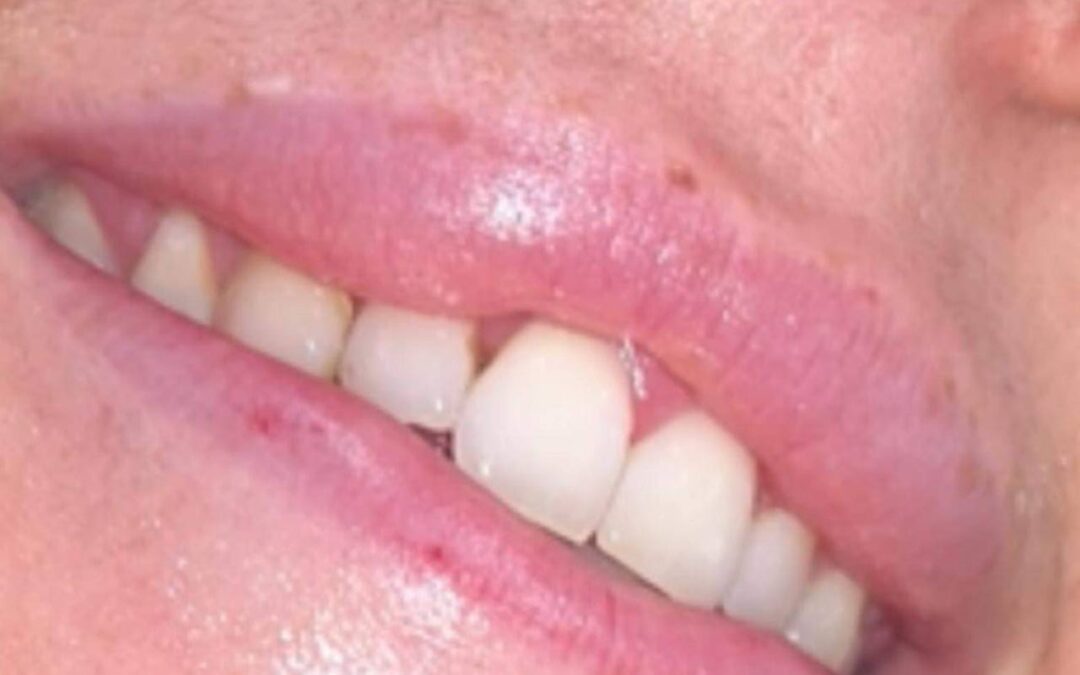
Migration of dermal filler refers to the movement of the injected filler material from its original placement to another area. This can occur due to various factors such as incorrect injection technique, excessive movement of the treated area, or the nature of the filler material itself.
Migration of dermal filler can lead to undesirable aesthetic outcomes and potential complications. For example, if filler material migrates to unintended areas, it can cause asymmetry, lumps, or bumps.
To minimize the risk of migration, it is crucial for practitioners to have thorough knowledge of facial anatomy and proper injection techniques. They should also carefully assess the patient’s facial structure and dynamics before administering dermal fillers.
If dermal filler migration occurs, it is important to address it as soon as possible to prevent the situation from worsening. One common approach to managing filler migration is the use of hyaluronidase, an enzyme that can dissolve hyaluronic acid-based fillers. Hyaluronidase injections can help break down and disperse the migrated filler, restoring a more natural appearance and reducing the risk of further complications.
It’s crucial for patients who experience filler migration to seek prompt evaluation and treatment from their practitioner with experience in managing dermal filler complications. Early intervention can help minimize the impact of migration and improve the overall outcome. Additionally, patients should follow their practitioners recommendations for post-treatment care and follow-up appointments to ensure proper resolution of the issue.
The longer you leave migration, the harder it is to fix.
As an aesthetic practitioner, there are several steps you can take to help minimize the risk of dermal filler migration for your patients:
1. Thorough Consultation:
Conduct a comprehensive consultation with each patient to understand their goals, medical history, and concerns. Assess their facial anatomy and structure to determine the most suitable treatment plan.
2. Proper Product Selection:
Choose dermal filler products that are appropriate for the specific area being treated and have properties suitable for minimizing migration.
3. Injection Technique:
Employ precise injection techniques tailored to the patient’s individual needs.
4. Layering Technique:
Consider using a layering technique, especially in areas prone to migration, to build up the filler gradually and achieve optimal results without overloading a single area.
5. Patient Education:
Educate your patients about the potential risks of filler migration and provide them with aftercare instructions, including avoiding excessive pressure, heat, or exercise immediately after treatment.
By implementing these strategies and maintaining a focus on patient safety and satisfaction, you can help minimize the risk of dermal filler migration and provide high-quality aesthetic treatments.


