What Are Exosomes—and Why Are They Everywhere in Skincare?
Exosomes are microscopic vesicles—tiny “messenger bubbles” released by cells—that carry proteins, lipids, and fragments of DNA or RNA.
In skincare, they’re marketed as powerful regenerative agents that can stimulate collagen production, repair damaged skin, and slow signs of ageing.
From A-list celebrities like Kim Kardashian to luxury clinics across London, exosome facials and microneedling are being hyped as the next big beauty breakthrough. Treatments can cost hundreds of pounds per session and claim to deliver “cellular rejuvenation” without surgery.
But behind the glamour and glowing reviews, scientists are raising serious red flags about what some of these products actually contain.
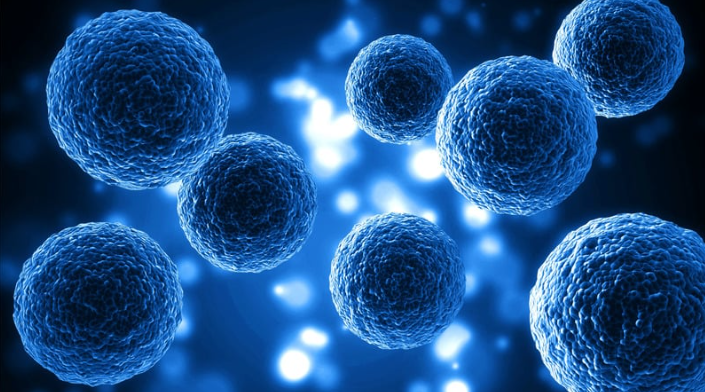
The Hidden Risk: Human-Derived Exosomes in Beauty Clinics
According to a recent investigation, banned biological products—exosomes harvested from human cells—are being used in some UK aesthetic clinics, despite clear regulations prohibiting them.
While many skincare exosome formulas are derived from plants (like Centella Asiatica, known as “Cica”) or marine sources (like salmon testes), others appear to use human umbilical cord blood or other tissue-derived materials.
That, experts warn, could pose serious health and ethical concerns.
“You shouldn’t be having human cell-derived products and using them on other humans,” said Dr James Edgar, a cell biologist at the University of Cambridge. “These are human biologics and there’s a risk for disease transmission. It’s not in the public’s interest of safety to have this stuff washing around.”
What Could Go Wrong?
Scientists say there are multiple safety gaps when it comes to human-derived exosome treatments:
Disease or virus Transmission – Exosomes can carry biological materials similar to viruses, and currently there’s no reliable way to isolate them safely from viral particles
The Safer Side: Plant-Derived or “CICA” Exosomes
Not all exosomes are risky. In fact, plant-based exosomes—particularly those derived from Centella Asiatica (known in skincare as Cica)—are safe and ethical alternative.
These Cica exosomes are extracted from plant callus cultures, not human cells, and are praised for their anti-inflammatory, skin-soothing, and barrier-repairing effects.
Laboratory studies suggest that Cica exosomes can boost genes related to collagen production and improve skin texture, all without the ethical and biological hazards of human materials.
In other words: you can still get exosome-inspired skincare without the controversy.
Here’s a brand which is derived from plants:
https://luxxaestheticsupplies.co.uk/product/exonus-exosomes/